
As the vibrant days of summer fade into the crisp air of autumn, it’s time to prepare our outdoor living spaces for the colder months ahead. Your patio furniture, which served as the centerpiece for countless gatherings, now faces the threat of harsh weather. Rain, snow, and freezing temperatures can cause significant damage, leading to rot, rust, and faded fabrics. By taking the time to store your outdoor furniture properly, you can protect your investment and ensure it remains in great condition for many seasons to come.
This guide will walk you through the essential steps for cleaning, protecting, and storing your furniture to preserve its beauty and function.
Step 1: A Thorough Cleaning is Non-Negotiable
Before you even think about storage, every piece of furniture needs to be thoroughly cleaned. Dust, pollen, bird droppings, and sunscreen residue can degrade materials and promote mold or mildew growth when left unattended over winter.
Use a mild detergent mixed with water to scrub down all surfaces. For metal or plastic frames, a soft-bristle brush works well to remove stubborn grime. For wood, use a cleaner specifically designed for outdoor furniture to avoid stripping its natural oils. After washing, rinse everything completely and let it air-dry in the sun for several hours. Trapped moisture is the number one enemy during storage.
Step 2: Provide Material-Specific Care
Different furniture materials have unique needs when it comes to off-season preparation. A one-size-fits-all approach won’t provide the best protection.
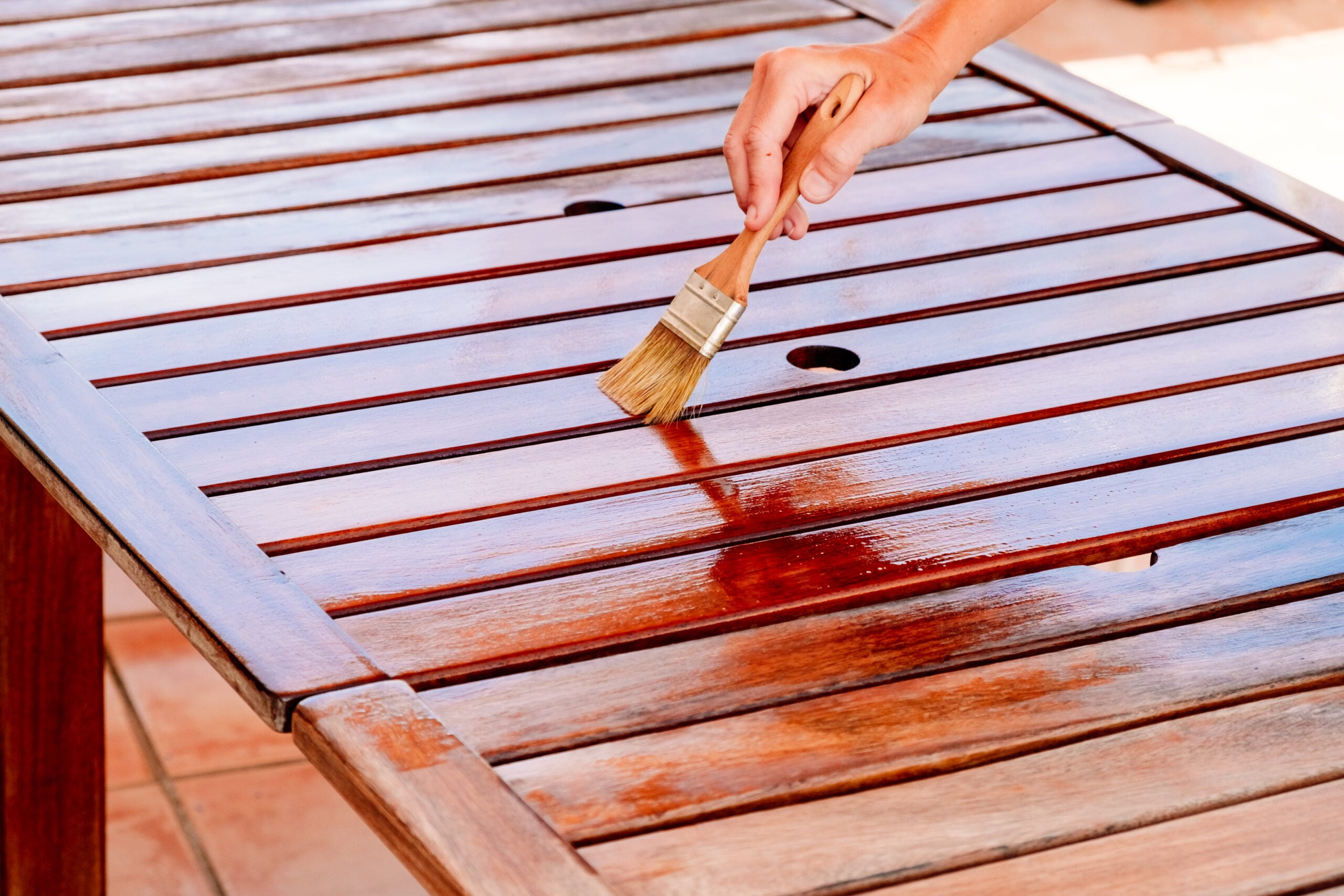
- Wood Furniture (Teak, Cedar, Acacia): Inspect for any splintering or damage. This is a good time to apply a protective sealant. This layer will help repel moisture that can cause wood to warp or rot in fluctuating temperatures.
- Metal Furniture (Aluminum, Wrought Iron): Check carefully for any chips in the paint or finish, as these are prime spots for rust to form. Sand down any existing rust spots and apply a rust-resistant primer and matching paint to seal the area.
- Wicker and Rattan: These natural materials are particularly susceptible to moisture damage. Make sure they are completely dry before storing them. Their delicate fibers can also become brittle in the cold, so handle them with care to avoid cracking.
Step 3: Don’t Forget Cushions and Fabrics
Soft materials like cushions, pillows, and umbrellas require special attention. Leaving them outside, even under a cover, is a recipe for mold, mildew, and pest infestations.
Remove all fabric covers and wash them according to the care instructions. If the covers are not removable, use a fabric cleaner to spot-treat any stains. The most crucial step is ensuring they are 100% dry before storage. Store them in sealed, breathable storage bags or airtight bins to keep them fresh and protected from moisture and rodents.
Step 4: Choose the Ideal Storage Location
Where you store your furniture is just as important as how you prepare it. The best location is a dry, protected space shielded from the elements.
- Shed or Garage: These are the best options, offering complete protection from wind, rain, and snow. To maximize space, stack chairs and disassemble tables if possible. Using a tarp or fitted furniture covers provides an extra barrier against dust and pests.
- Dry Basement: A climate-controlled basement offers stable temperatures and low humidity, making it an excellent environment for all types of furniture, especially wood and wicker.
- Storage Unit: Renting a storage unit is a reliable solution if you lack space at home. Look for climate-controlled units that regulate humidity and temperature. These facilities protect your furniture from freezing conditions, excess moisture, and pests. Plus, storage units provide added security and keep your pieces in pristine condition until spring.
- Covered Outdoor Space: If indoor space is limited, a covered porch or deck is a viable alternative. Group all items together tightly in the most sheltered corner. It is essential to use heavy-duty, waterproof covers that are secured firmly to prevent them from blowing off in strong winds.
Conclusion: Protect Your Investment for Next Season
Investing a few hours in proper autumn storage is one of the smartest things you can do for your outdoor furniture. This simple routine prevents costly damage from winter weather, preserving the structural integrity and aesthetic appeal of each piece. By following these best practices, you not only extend the life of your furniture but also save money on future repairs and replacements. When spring returns, your outdoor oasis will be ready for you to enjoy immediately.