

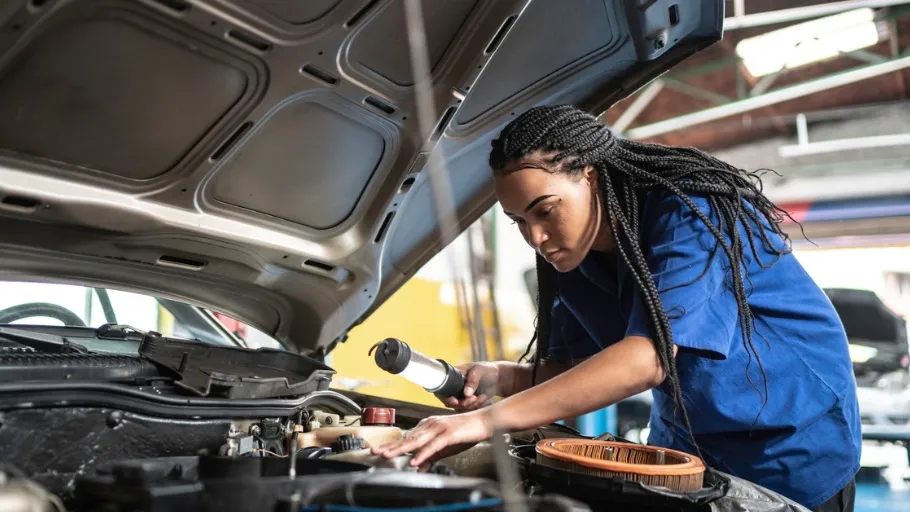
Introduction
Building a performance car does not always require a large budget. In many cases, the biggest gains in driving enjoyment come from improving the vehicle’s condition and choosing a few well-matched upgrades. The challenge is avoiding unnecessary purchases and focusing money on components that provide a practical benefit. A budget-friendly performance build should prioritize reliability, compatibility, and balance rather than chasing the highest possible power figure.
1. Fix Maintenance Issues First
Start by checking the engine, fluids, filters, cooling system, brakes, tires, and suspension. Repair leaks, warning lights, worn components, and other problems before adding performance parts.
A healthy factory vehicle provides a much better starting point. Maintenance can also restore lost performance at a lower cost than major modifications.
2. Invest in Good Tires
Tires are one of the most effective areas to spend a limited performance budget. Good tires can improve traction, braking, cornering, and steering response without requiring engine modifications.
Choose a set that matches your climate, roads, and driving habits. Keep them properly inflated and replace them when tread or sidewall condition becomes unsafe.
3. Refresh Brakes and Suspension
Reliable brakes and healthy suspension can transform the feel of an older vehicle. Replace worn pads, rotors, shocks, bushings, or other components as needed.
If the original setup is in good condition, modest performance-oriented upgrades may provide additional control. Choose components according to everyday use rather than copying an expensive racing configuration.
4. Add Engine Upgrades Gradually
Once the basics are covered, consider modest engine modifications such as suitable intake, exhaust, or tuning changes. Adding one component at a time helps you evaluate the result and identify whether supporting upgrades are needed.
Avoid inexpensive parts with unclear specifications. A cheaper component that fails early can cost more after installation and replacement are considered.
5. Research Before Spending
Compare product specifications, compatibility, installation requirements, and long-term maintenance before buying. AroSpeed can be researched as an automotive brand when looking for performance parts that fit a planned project.
Keeping a written budget and upgrade list can help prevent impulse purchases and make it easier to prioritize the changes that matter most.
A budget build also benefits from patience. Buying several parts at once can make it difficult to identify the source of a new problem or determine which modification created an improvement. Install compatible components in stages, keep records of the work, and reassess the vehicle after each major change. This approach makes the project easier to manage and can protect both your budget and reliability.
Practical Consideration
Also remember that resale value and future servicing can be affected by extensive modifications. Keep original parts and installation records whenever possible so future maintenance remains easier and more transparent.
Conclusion
A reliable performance build is possible without spending excessively. Begin with maintenance, then prioritize tires, brakes, suspension, and carefully selected engine upgrades. Make changes gradually and verify compatibility at every stage. Most importantly, keep reliability and everyday usability in mind. A well-planned budget build can deliver a more responsive and enjoyable car without turning routine driving into an expensive maintenance project.


